Warning: Invalid argument supplied for foreach() in /home3/alanaroy/public_html/wp-content/plugins/jetpack/modules/widget-visibility/widget-conditions.php on line 263
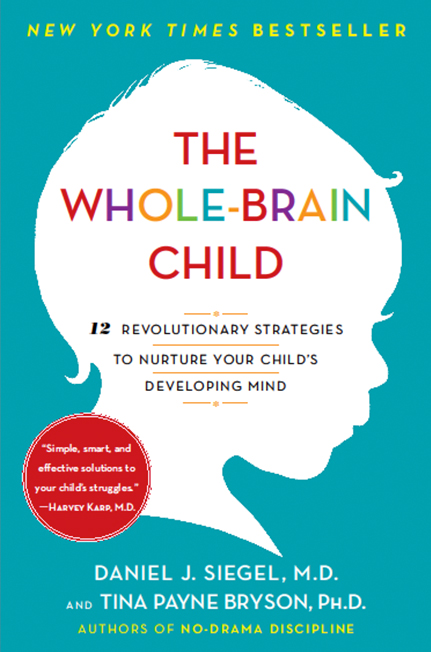
The human brain works at its optimum when different parts work together to coordinate to create the best results. An integrated brain means we have improved decision making, better control of body and emotions, fuller self-understanding, strong relationships and success overall success in many areas of your life. There are a range of techniques to help children’s develop and make connections between their left logical side of the brain and their right emotional side of their brain.
Some techniques to help connect these two sides of the brains are:
Connect and redirect – So when your child is upset, first connect with them emotionally which is the right side on the brain e.g “I can see you are crying, are you feeling sad?”. After connecting with the right brain you can begin to connect to their left brain e.g. “Can you see now that if you are rough with your toys they may break and this could make you feel sad?”. Once your child has calmed down, expressed emotion and connected with their left brain you are better positioned to help them to learn other behaviours or discuss consequences.
Name it and tame it – When right brain emotions are raging out of control help your child tell the story of what is upsetting them, telling stories helps children to access their left brain and makes sense of their experience and feel like they are in more control e.g “ can you tell me what happened in the playground today? I want to understand why you are so angry”.
Not only is it important to integrate the left and right side of the brain but it is important to integrate upstairs brain and downstairs brain.
The upstairs brain is being built during childhood and adolescence and it is in charge of higher order thinking, reasoning and problem solving. Whereas the downstairs brain is primitive and in action from birth, it becomes apparent in highly emotional situation. Children and adolescents are often not able to remain in control and in the upstairs brain; they often switch to the downstairs brain and have no control over this. Try to understand that their brain is growing and don’t blame them for being impulsive and all over the place.
Some techniques to help integrate your child’s upstairs brain:
Engage, don’t enrage – In difficult high-stress situations try and engage your child’s upstairs brain. Don’t play the “because I said so” card. Instead, appeal to your child’s higher order thinking and ask them their option, questions, ask for suggestions or alternatives, even negotiate.
Use it or lose it – Provide lots of opportunities for your children to practice with their upstairs brain, so it can be strong, developed and integrated with the downstairs brain and the body. You can do this by practicing using a game called “what would you do?” which presents your child with dilemmas. This required them to think through complex situations. Avoid jumping in and giving them answers, encourage your child to make connections and understand their thoughts, feelings, behaviour and body.
Move it or lose it – When a child has lost touch with his upstairs brain you can help them to connect and feel more grounded by getting them to move their body e.g. if children are fighting ask them to get something from another room. You can encourage your teenager to do sport, dance, go for walks.
Helping integrate memory can be done by encouraging children to process their memories and make meaning. So this helps the child process memories so it doesn’t affect the young person in a negative way in the future. By helping the child narrate past events the child can look at what happened and make a decision about how to handle those memories.
Some techniques that can be useful in helping your child process these memories are:
Use the remote of the mind – After a painful event, it may be difficult to use the technique to narrate the memory. Using the remote strategy allows the child to pause, rewind, and fast forward the story and have control over how the story is told.
Remember to remember – help your child practice using their memory. Practice makes perfect. Help your children talk about their experiences so they can integrate their implicit and explicit memories. e.g “Can you tell me your favourite memory of Grandma? What did she mean to you? How can you find a way to still remember her?
It is also important to integrate the many parts of myself. Sometimes children get stuck on a particular part of their story, this can make them lose sight of other parts of themselves. The child should become aware of what is happening in their own mind. Some techniques to help you children with this process:
Let the clouds of emotion roll by – Remind the kids that feelings come and go, fear, anger, frustration loneliness are temporary states that will pass.
SIFT – Help your children pay attention to the Sensation, Images, Feelings and Thoughts (SIFT) that are happening within them. Children have difficulty understanding that their inner world and emotions can change, and bringing this into awareness will assist this integration.
Exercise mindsight – Mindsight practices teach children to calm themselves and focus their attention where they want.
Integrating self and other is another important step, using the brain’s natural capacity for social interaction especially by being intentional about creating positive mental models of relationships. The templates of the relationships children have with significant care-givers in their lives influence their adult life and their expectations of significant relationships. This will help them develop mindsight which allows them insight into themselves as individuals and empathy for and connection with people around them.
Techniques to assist this integration of self and other are:
Enjoy each other – Build fun into the family so that your children enjoy positive experiences with significant people in their life.
Connect through conflict – Try not to view conflict as merely as something to avoid but as an opportunity to teach your children skills. Skills like seeing the other person’s perspective, reading and understanding nonverbal cues, connecting, showing love and acceptance even during a disagreement is so important for developing minds and personalities.
For more information and further reading go to http://www.drdansiegel.com/books/the_whole_brain_child/